

Brazeal Studio is an ethical fashion and lifestyle brand offering handcrafted bags, apparel, home décor, and custom designs, blending traditional craftsmanship with contemporary aesthetics to serve global markets with quality, sustainability, and art...
- (+91) 9899074899
- brazealstudio@gmail.com
- 68, North West Delhi, North West Delhi, Delhi, India. 110034
© 2020 BRAZEAL STUDIO. All Rights Reserved
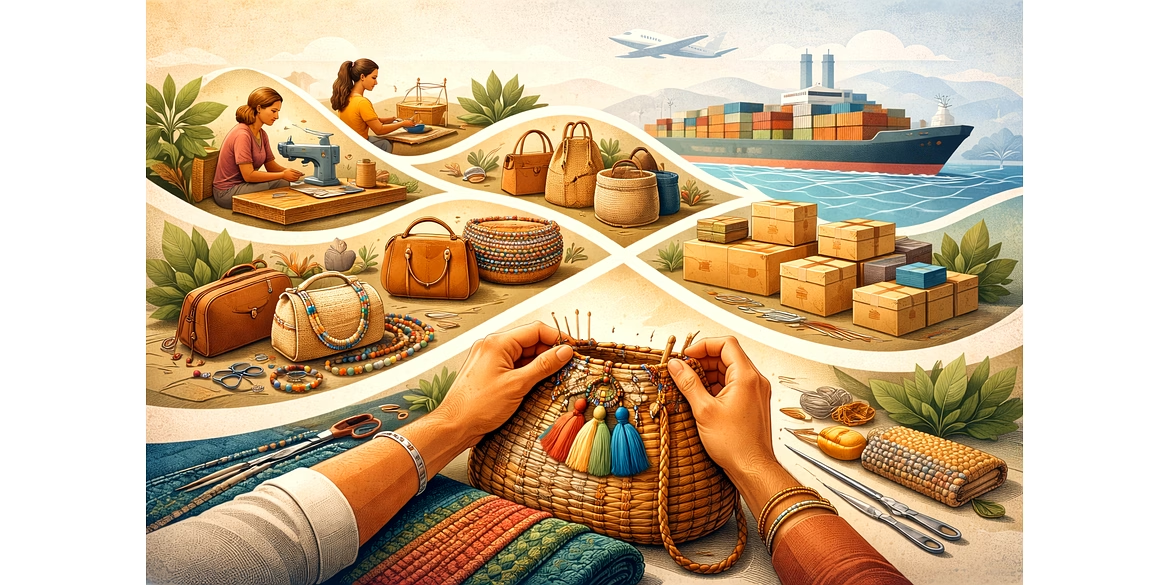

India is one of the world’s leading sourcing destinations for handcrafted bags, offering a unique combination of skilled craftsmanship, design diversity, ethical production, and export readiness. For international buyers, sourcing handcrafted bags from India can deliver strong product differentiation and long-term supply value—when approached strategically.
From embroidered and beaded bags to jute, canvas, and faux leather styles, Indian manufacturers support global buyers, importers, and private labels across fashion and lifestyle categories. This guide explains how to successfully source handcrafted bags from India for international markets while ensuring quality, compliance, and ethical production.
Understand the Indian Handcrafted Bag Landscape
India offers a wide range of handcrafted bags including embroidered, jute, beaded, crochet, faux leather, canvas, mandala, tote, and vintage-inspired styles. Different regions specialize in techniques such as hand embroidery, beadwork, weaving, and surface embellishment.
Understanding these regional strengths helps buyers select the right supplier for their target market, whether sourcing fashion-forward collections, sustainable bags, or artisan-led statement pieces.
Identify Export-Ready Manufacturers
Not all artisans or suppliers are export-ready. International buyers should work with manufacturers who understand global quality standards, packaging requirements, export documentation, and compliance expectations.
Export-ready suppliers typically offer structured sampling, clear costing, professional communication, and quality control processes—making them suitable partners for long-term international sourcing.
Evaluate Ethical and Sustainable Practices
Ethical sourcing is increasingly important for global buyers. Look for handcrafted bag manufacturers who support artisan communities, ensure fair wages, safe working conditions, and responsible material sourcing.
Ethical and sustainable practices help reduce reputational risk, support compliance, and align your brand with conscious consumer values.
Request Samples and Assess Quality
Sampling is a critical step when sourcing handcrafted bags from India. Buyers should carefully evaluate stitching quality, material durability, color fastness, finishing, lining, closures, and overall craftsmanship.
Sampling also helps confirm whether the supplier can meet design accuracy, consistency, and functional requirements for bulk and repeat production.
Discuss Customization and Private Label Options
Indian handcrafted bag manufacturers are known for flexibility. Buyers can request custom designs, size variations, material changes, color palettes, branding, labels, and packaging.
Clear specifications during this stage help avoid production delays, quality mismatches, and cost overruns.
Understand MOQ, Pricing, and Lead Times
Minimum order quantities, pricing structures, and lead times vary based on design complexity, materials, and handcrafted processes. Buyers should discuss realistic timelines for sampling, bulk production, and shipping.
Clear alignment at this stage helps international buyers plan retail launches and seasonal calendars more effectively.
Confirm Compliance and Testing Requirements
International markets often require compliance such as azo-free dyes, durability testing, and product safety standards. Reliable Indian suppliers support third-party testing and provide compliance documentation when required.
Compliance-ready manufacturers help buyers reduce regulatory risk and ensure smooth customs clearance across global markets.
Plan Packaging and Logistics
Export packaging plays a vital role in protecting handcrafted bags during transit. Buyers should confirm packaging types, carton strength, labeling, and shipping methods early in the process.
Experienced exporters help optimize packaging to reduce damage, manage shipping costs, and improve overall supply-chain efficiency.
Build Long-Term Supplier Relationships
Sourcing handcrafted bags from India is most successful when treated as a long-term partnership. Ongoing collaboration leads to better pricing, improved quality control, design innovation, and supply-chain stability.
Long-term sourcing relationships also allow buyers to scale production confidently while maintaining ethical and quality standards.
Frequently Asked Questions (FAQ)
Why should international buyers source handcrafted bags from India?
India offers skilled craftsmanship, diverse bag styles, ethical production, customization capabilities, and competitive pricing for global markets.
What types of handcrafted bags can be sourced from India?
Buyers can source embroidered, jute, beaded, crochet, faux leather, canvas, tote, mandala, and vintage-style bags.
Are Indian handcrafted bag manufacturers export-compliant?
Yes. Many manufacturers follow international quality standards and provide export documentation and testing support.
Can buyers request private label and custom designs?
Yes. Customization, private labeling, and made-to-order production are key strengths of Indian suppliers.
How do buyers ensure consistent quality?
Quality is ensured through approved samples, material checks, in-process inspections, and final quality control before shipment.