

Brazeal Studio is an ethical fashion and lifestyle brand offering handcrafted bags, apparel, home décor, and custom designs, blending traditional craftsmanship with contemporary aesthetics to serve global markets with quality, sustainability, and art...
- (+91) 9899074899
- brazealstudio@gmail.com
- 68, North West Delhi, North West Delhi, Delhi, India. 110034
© 2020 BRAZEAL STUDIO. All Rights Reserved
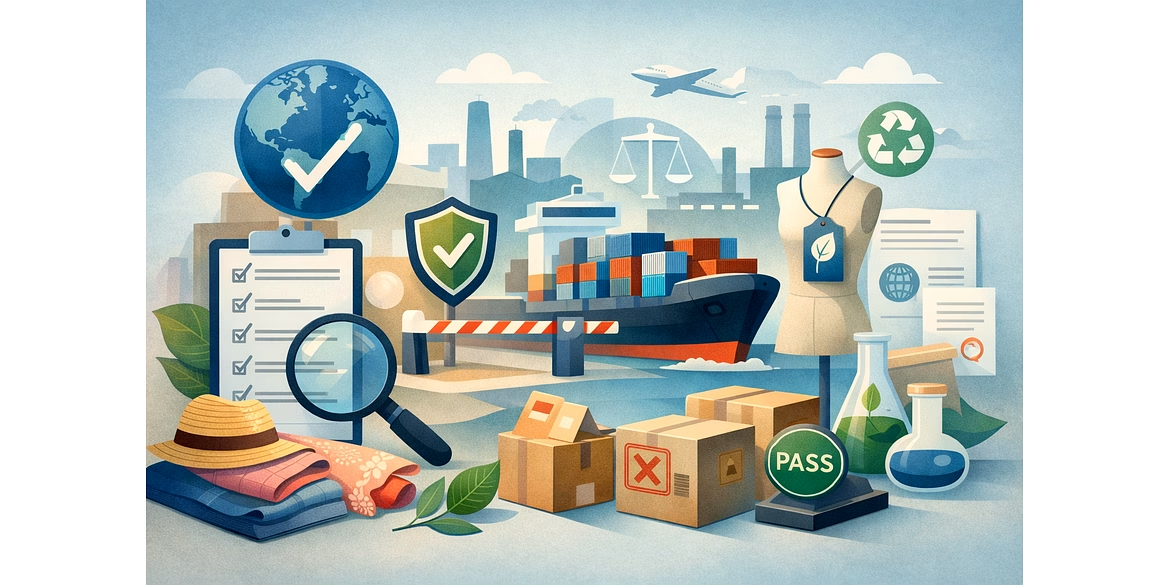

Export compliance is a critical part of international sourcing. For fashion and handicraft importers, compliance ensures product safety, smooth customs clearance, brand protection, and long-term supplier reliability. Failure to meet compliance requirements can result in shipment delays, penalties, rejected goods, or reputational damage.
This checklist helps importers understand the key compliance areas to verify before sourcing fashion and handicraft products from international suppliers.
Product Safety and Material Compliance
Importers must ensure that products comply with destination-market safety regulations. This includes verifying materials, trims, dyes, and finishes used in production. Common requirements include azo-free dyes, restricted substance limits, and material safety standards depending on the market.
Early confirmation of material compliance helps avoid customs issues, shipment rejections, and post-import penalties.
Quality Standards and Performance Testing
Fashion and handicraft products should meet durability, performance, and quality expectations. Importers often require testing for color fastness, seam strength, embellishment security, fabric performance, and overall product durability.
These checks are especially important for apparel, bags, accessories, and home décor products intended for repeat retail handling and consumer use.
Ethical and Social Compliance
Ethical sourcing is increasingly mandatory for international buyers. Importers should confirm that suppliers follow fair labor practices, provide safe working conditions, and do not engage in child or forced labor.
Many buyers follow internal codes of conduct or request social compliance audits to verify ethical and social responsibility standards.
Supplier Documentation and Transparency
Export-ready suppliers should provide transparent and accurate documentation, including product specifications, material declarations, compliance statements, and test reports when required.
Clear documentation reduces disputes, improves traceability, and helps ensure smooth customs clearance.
Labeling and Packaging Requirements
Different markets have specific labeling rules related to fiber content, country of origin, care instructions, and language requirements. Packaging must also meet safety, environmental, and shipping regulations.
Importers should confirm labeling accuracy and packaging specifications before bulk production to avoid costly corrections.
Export Documentation
Accurate export documentation is essential for smooth customs clearance. Importers should ensure suppliers can provide commercial invoices, packing lists, certificates of origin (if required), and buyer-specific compliance declarations.
Errors or omissions in export documents can lead to shipment delays, fines, or rejection at customs.
Third-Party Testing and Inspections
Many importers require third-party testing or pre-shipment inspections through approved agencies. These may include product testing, factory audits, and final quality inspections.
Importers should confirm whether suppliers can support independent testing and inspection requirements as part of compliance verification.
Environmental and Sustainability Compliance
Sustainability requirements may include restricted chemical usage, responsible waste management, eco-friendly materials, and sustainable packaging options.
Environmental compliance is increasingly integrated into global retail standards and brand sourcing policies.
Market-Specific Regulations
Each destination market has unique regulations for fashion and handicraft imports. Importers should ensure suppliers understand and comply with market-specific rules related to textiles, handicrafts, labeling, and consumer safety.
Proactive alignment with destination-market regulations helps prevent border delays and regulatory non-compliance.
Ongoing Compliance Monitoring
Compliance is not a one-time task. Importers should regularly review supplier performance, update requirements, and maintain open communication to ensure ongoing compliance across repeat orders.
Continuous monitoring helps reduce long-term sourcing risk and supports stable supplier partnerships.
Frequently Asked Questions (FAQ)
Why is export compliance important for fashion and handicraft importers?
Compliance ensures product safety, legal acceptance, smooth customs clearance, and protects buyers from financial and reputational risk.
What are the most common compliance requirements for fashion products?
Common requirements include azo-free dyes, material safety standards, durability testing, labeling compliance, and ethical labor practices.
Do handicraft products also require compliance checks?
Yes. Handicrafts must meet material safety, labeling, packaging, and ethical sourcing requirements depending on the destination market.
Who is responsible for compliance—the buyer or the supplier?
Both share responsibility. Importers set requirements, while suppliers must meet and document compliance.
Is third-party testing mandatory for all products?
Not always. Testing depends on product type, buyer standards, and destination-market regulations.
What documents should importers request from suppliers?
Documents may include invoices, packing lists, certificates of origin, product specifications, and test reports.
How can importers verify ethical labor practices?
Through audits, supplier declarations, third-party inspections, and long-term supplier relationships.
Does sustainable sourcing affect compliance?
Yes. Many buyers include sustainability and environmental practices as part of their compliance standards.
Can non-compliant shipments be rejected at customs?
Yes. Non-compliance can result in delays, penalties, rejected shipments, or product recalls.
How can importers reduce compliance-related risks?
By working with export-ready suppliers, confirming requirements early, approving samples, and maintaining ongoing compliance checks.